
Understanding the Gut-Brain Connection: How Gut Health Impacts Cognitive Health
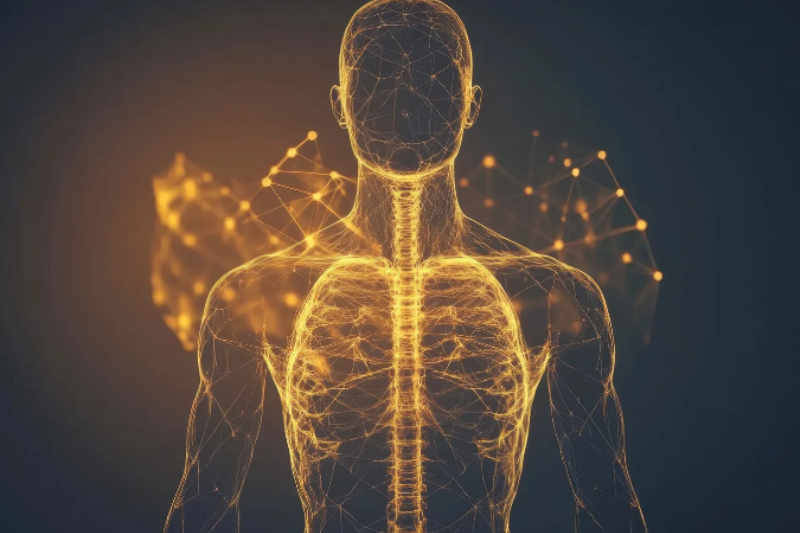
Have you ever had a gut feeling about something? Maybe you felt butterflies in your tummy before speaking in public, or your stomach sank when you heard bad news. That’s not just a poetic expression. That’s our biology. Your gut and your brain are in this constant communication, shaping your mood, memory, even your immune function, and potentially your risk for future neurodegenerative diseases.
Today we’re going to explore how your gut function might determine your brain’s future. And by the end of this episode, you’ll understand why nurturing your gut is one of the most powerful things that you can do to protect your mind and age with grace.
I’m Dr. Cynthia Libert, founder of ReThink Aging and a board-certified family physician with expertise in functional medicine. I work with high-performing, health-conscious adults in midlife who want to preserve their brain power, prevent dementia, and live with clarity, vitality, strength, and resilience well into the future. If you’re in your 40s, 50s, or 60s, you’re in the right place, especially if you’re starting to notice shifts in your memory, energy, mood, or digestion.
I want you to know that these are not just random signs of aging. They are early signs. And one of the most overlooked root causes of these changes lies not in the brain, but actually in the gut.
Understanding the Gut–Brain Axis
In this episode, we’re exploring the powerful gut–brain connection and how your digestive system can play a central role in your cognitive health, emotional stability, and your risk for diseases like Alzheimer’s disease and Parkinson’s disease. It even influences how well your blood vessels are working and how your metabolism is functioning.
We know that the gut and brain are intimately linked through what’s called the gut–brain axis. This is a bidirectional communication system, like a highway of information flowing from brain to gut and back and forth. It involves the vagus nerve, the immune system, hormones, and the gut microbiome.
I want you to think of your gut as the mission control center for many of your body’s systems. The gut produces neurotransmitters like serotonin and GABA. It regulates inflammation to a large degree, and it trains your immune system. When the gut is disrupted through stress, poor diet, toxins, or infection, it can quietly set the stage for cognitive decline and emotional challenges down the road.
Connections Between Parkinson's Disease and the Gut
Let’s talk about Parkinson’s disease. Most people think of it as a brain disorder, but the earliest signs are often gastrointestinal, like chronic constipation. We can also see loss of smell and subtle mood changes years before diagnosis.
Studies show that an abnormal protein seen in Parkinson’s disease, alpha-synuclein, can begin in the gut and travel up to the brain along the vagus nerve. That’s not just a correlation. It’s a potential causal pathway that scientists are actively investigating. It tells us that our brain-first approaches to Parkinson’s disease may be starting too late. We need to start in the gut.
But Parkinson’s is just one piece of the puzzle. Cognitive decline doesn’t always start in the brain. It often begins in the gut, like a slow leak in the basement that eventually seeps into the foundation.
The Relationship Between Inflammation and Cognitive Decline
Chronic low-grade inflammation is one of the most consistent drivers of neurodegeneration, and much of that inflammatory burden starts in the digestive tract. When the gut is compromised, the brain eventually pays the price.
A damaged gut lining, sometimes called leaky gut or intestinal permeability, allows inflammatory molecules like LPS to enter the bloodstream. This can trigger an immune response that eventually reaches the brain. Neuroinflammation is the hallmark of neurodegeneration, and we see this in Alzheimer’s disease and other dementias. Oftentimes, it begins in the gut.
At the same time, poor gut function can impair nutrient absorption. Even if you’re eating all the right foods, your brain may not be getting them because they’re not being absorbed. It’s like pouring premium fuel into a car with a clogged fuel line.
Breaking Down Metabolic Health and the Gut
The impact of gut health doesn’t stop there. Gut health plays a central role in metabolic function, including how well we regulate blood sugar, manage insulin, and maintain a healthy weight. When the gut is inflamed or imbalanced, it can quietly disrupt the body’s metabolic machinery.
After a meal, blood sugar spikes can signal that the gut microbiome is disrupted and that dysbiosis is present. This can lead to an imbalance in short-chain fatty acids, which are beneficial compounds that feed the gut lining. Over time, this inflammation can lead to endothelial dysfunction in blood vessels throughout the body, especially in the brain.
Insulin resistance is also tied to gut health. It doesn’t just lead to weight gain or diabetes risk. It’s a well-established risk factor for Alzheimer’s disease, sometimes called type three diabetes. When visceral fat increases, it becomes metabolically active and releases inflammatory cytokines that worsen gut permeability and contribute to brain inflammation.
Our body is a web. When the gut is out of balance, the entire system moves toward dysfunction. When it’s restored, we can build health on a solid foundation for metabolic flexibility, vascular integrity, and brain function.
Understanding Mental Health and the Gut
Mood disorders like anxiety and depression are closely linked to gut microbiome dysfunction. The gut produces key neurochemicals that regulate mood, focus, and resilience. We also know that people with chronic depression, especially in midlife, have a higher risk of developing dementia later in life.
This isn’t simply psychological. It’s a physiological pattern involving chronic inflammation, disrupted sleep architecture, impaired mitochondrial function, and altered neurotransmitter signaling. Many of these processes are deeply influenced by gut health.
Mood and digestive issues aren’t isolated symptoms. They’re interconnected threads that can be early risk factors for cognitive decline. If this feels overwhelming, take a deep breath. You don’t have to fix everything overnight. You need a strategy that gets to the root and begins healing.
The 5R Functional Medicine Framework
In functional medicine, we use the five-R framework to systematically support gut function in a sustainable way.
The first step is remove. We identify and remove what’s causing harm, including inflammatory foods like processed foods, excessive added sugar, alcohol, hidden irritants such as NSAIDs, environmental toxins, and gut infections like H. pylori, candida, or SIBO. A practical place to start is simply tracking how you feel after meals.
The second step is replace. Many people produce less stomach acid and fewer digestive enzymes as they age. Without adequate bile, enzymes, and hydrochloric acid, the body can’t properly break down food or absorb nutrients. Digestive enzymes, bitters, or apple cider vinegar before meals may help, depending on individual circumstances.
The third step is reinoculate. This is about rebuilding a healthy, diverse microbiome using probiotics, prebiotics, and fermented foods. These microbes produce short-chain fatty acids that nourish the gut lining and reduce inflammation throughout the body, including the brain.
The fourth step is repair. Targeted nutrients such as zinc carnosine, glutamine, omega-3 fatty acids, vitamin A, collagen, and specific herbs help soothe and rebuild the intestinal lining. When the gut lining is intact, immune activation calms, and brain, mood, and energy improve.
The fifth step is rebalance. You can have the perfect supplement plan and still struggle if your nervous system is dysregulated. Stress, poor sleep, lack of movement, and circadian disruption impair gut healing. This phase focuses on aligning lifestyle with optimal biology through sleep, prayer, breath work, gentle movement, and consistent rhythms that signal safety to the body.
Your Gut, Your Health
This isn’t a magic fix. It’s a road map. Gut symptoms like reflux, bloating, diarrhea, or constipation are friendly signals that something is off and that you can do something about it. Addressing them may not only improve how you feel now, but also help shift your long-term health trajectory.
Your gut is not a separate part of you. It is central to how we age, our emotions, our mental health, and our metabolic health. Taking care of your gut isn’t just about avoiding disease. It’s about laying a foundation for resilience so you can live fully in your 50s, 60s, and beyond.
If you’re experiencing brain fog, memory issues, mood swings, or digestive symptoms, those are clues. You don’t have to do this alone.
🎧 Watch or listen to this episode of ReThink Aging: https://www.youtube.com/watch?v=Fx3WsQ1muTA
If you enjoyed this episode of ReThink Aging, please like, subscribe, and share it with someone you love. You’re also invited to join the ReThink Aging community at caringforthebody.org, where you’ll find more resources to protect your brain, strengthen your body, and live with purpose.